The Truth About Dermaplaning: Is It Right for Your Skin?
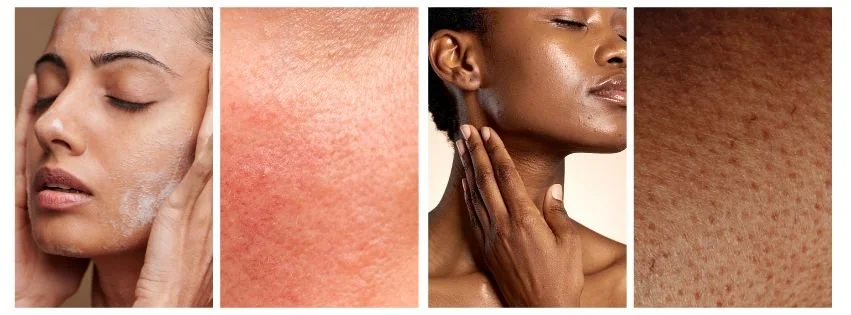
I often get asked if I dermaplane, and the truth is… no.
Not because it’s “bad,” but because it’s not for all skin types and that part doesn’t get talked about enough.
Dermaplaning is often presented as this universally safe, glow-enhancing treatment. And for some people, it can be. But as someone who works closely with sensitive skin and values the integrity of the skin barrier, I see it a little differently.
Here’s what you need to know so you can decide if it’s truly right for you, too.
Dermaplaning is a form of physical exfoliation. It uses a blade to remove dead skin cells and fine hair from the surface of the skin. What that means is you’re not just “smoothing” the skin, you’re also removing part of its natural outer layer.
That outer layer exists for a reason.
It plays a role in protecting your skin from environmental stress, dehydration, and irritation. When it’s disrupted, even temporarily, the skin can become more reactive.
Some people experience a beautiful, immediate glow. Others experience something very different.
After dermaplaning, skin can feel more sensitive. There can be redness, dryness, or a tight feeling. Sun sensitivity increases, which means the skin is more vulnerable to environmental damage if it’s not properly cared for.
For acne-prone or inflamed skin, dermaplaning can sometimes spread bacteria across the surface, leading to breakouts or irritation. And for those with sensitive or reactive skin, it can simply be too much stimulation.
There’s also the reality that results are temporary. The smoothness typically lasts a few weeks, which can lead people into repeating the process more often than their skin can comfortably handle.
None of this means dermaplaning is “bad.” It just means it’s not neutral and it’s definitely not one-size-fits-all.
For some skin types, it can be a great option when done properly and supported with the right aftercare.
But for others, especially those with sensitive, compromised, or inflamed skin, protecting the barrier and working with the skin tends to create more long-term balance than removing from it.
If you’ve been curious about dermaplaning, the best question isn’t “is it good or bad?”
It’s “is this supportive for my skin?”
And the answer to that is always individual.
Brittany Withrow is a holistic beauty artist and the founder of The Temple, a natural beauty sanctuary in North Carolina. Her work centers around healing beauty, simplifying routines, and approaching self-care with intention.